In every vehicle, auto parts play a crucial role in determining its functionality and overall performance. These components vary widely, encompassing everything from engine elements to electrical systems, all designed to ensure that cars run safely and efficiently. When looking to replace or upgrade parts, considering aftermarket options can be advantageous, as they frequently present a cost-effective alternative to original equipment manufacturer parts read more.
If you're searching for reliable auto parts, there is a valuable resource available. You'll discover not only the fundamental components you need but also an extensive range of specialized parts that can boost your vehicle's performance.
How to Purchase Auto Parts Successfully
- Identify the required part: Begin by researching the specific part you need. Check your vehicle's manual for details on specifications and compatibility.
- Set a budget: Determine how much you are willing to spend on the part. This will help narrow down your choices between new, aftermarket, or used options.
- Search for options: Use online platforms or local directories to find nearby auto parts stores. Take note of reviews and ratings for different automotive parts retailers.
- Compare prices: Look at different retailers' prices for the same part. Don't forget to factor in shipping costs if ordering online.
- Check for warranty: When purchasing the part, whether new or used, confirm if there is a warranty offered. This can provide assurance on quality and allow returns if the part doesn't fit or function as expected.
- Install or seek help for installation: Decide whether you will install the part yourself or if you will hire a mechanic. Ensure that the person performing the installation is knowledgeable about your vehicle type and the specific part.
Understanding Different Types of Auto Parts
The automotive industry categorizes auto parts into several types, each serving a unique function in vehicle performance and safety. Original Equipment Manufacturer (OEM) parts are produced by the vehicle manufacturer and are designed to match the specifications of vehicles. They are generally more expensive due to their brand value and perceived quality.
Aftermarket parts, however, offer an alternative that often provides similar quality at a lower price. These parts may be made by various manufacturers and can cater to a wider audience with options for customization or performance enhancement. From exhaust systems to suspension kits, aftermarket components can indeed be a popular choice among car enthusiasts looking to upgrade their vehicles.
Choosing Between OEM and Aftermarket Parts
When choosing auto parts, consider factors such as warranty, compatibility, and long-term reliability. OEM parts typically come with a manufacturer warranty, ensuring peace of mind regarding quality and compatibility. Aftermarket parts may lack such guarantees, but reputable manufacturers often produce items that perform equally well, if not better.
Furthermore, your choice might lean towards aftermarket options if cost savings and customization are priorities. Online platforms and local auto parts stores provide ample options for both OEM and aftermarket parts, with varying price points and quality.
Where to Find Auto Parts Near You
Locating automotive parts in your vicinity can effectively reduce both your time and shipping expenses, making it easier to carry out urgent repairs or enhancements. Begin your search by entering phrases like "auto parts near me" or "auto parts store near me" into your favorite search engine. This approach will generally lead you to local retailers and garages that maintain a diverse inventory of parts.
Moreover, a growing number of parts shops now provide online catalogs, enabling you to explore their offerings from the comfort of your home. Some even offer options for contactless pickup, allowing you to place orders online and retrieve your items with minimal effort. Local auto parts vendors usually have experienced staff members on hand, ready to help you select the correct components necessary for your vehicle.
Exploring Used Auto Parts: Advantages and Disadvantages
If you're a car owner looking to cut down on expenses, turning to used auto parts can present a worthwhile option. Generally, these components are priced lower than their new counterparts, making them a favorable choice for those seeking to minimize repair expenses. Visiting local used auto parts shops can lead to valuable savings, especially for older models where OEM components might be hard to find.
Although the lower prices are appealing, there are drawbacks that should be considered. The key concern is the dependability and lifespan of used parts. You must check that these items are still functioning properly since some parts may have a significantly reduced lifespan. When you are on the hunt for used automotive components, ensure you ask about any warranties or return options to reduce potential risks. Many reputable sellers will offer some sort of guarantee or return policy, adding a layer of security to your buying decision.
Recognizing the pros and cons of choosing used parts instead of new ones is vital for making informed choices—while it may initially appear to be a frugal measure, opting for lower-quality parts could lead to increased repair expenses if they fail sooner than anticipated or do not perform well.
automotive parts.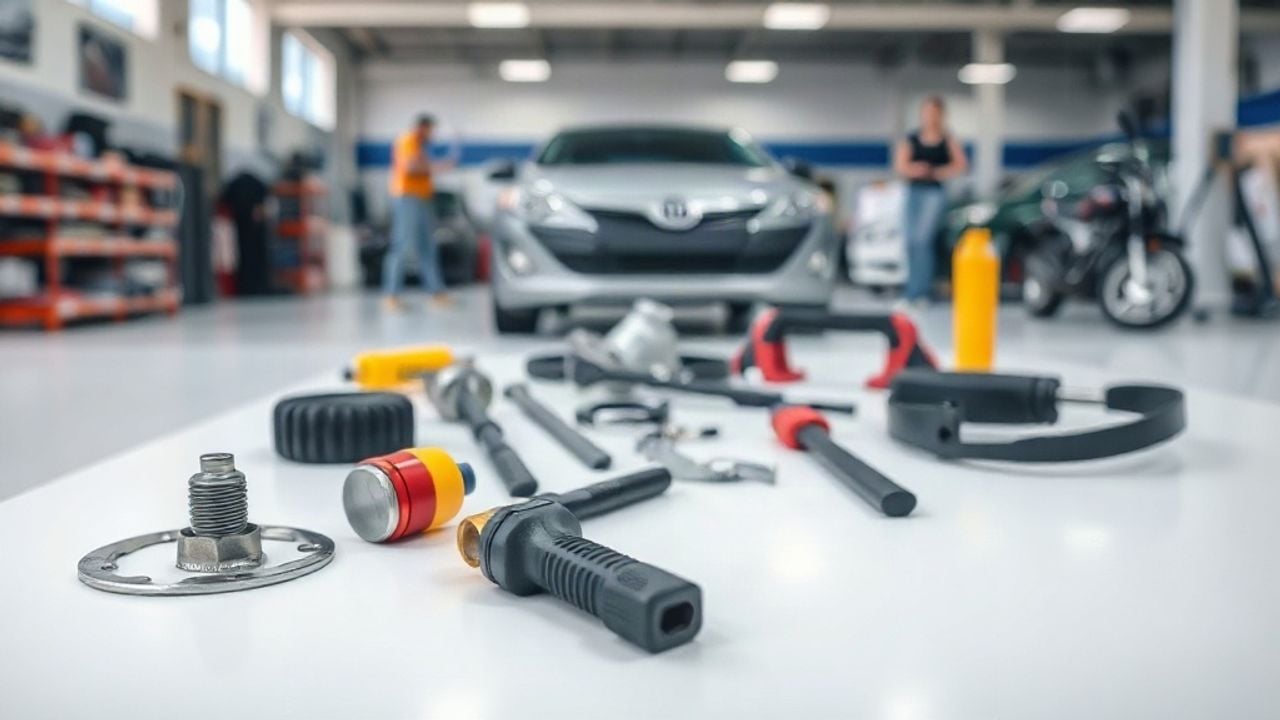 aftermarket partsaftermarket parts overview
Frequently asked questions
What is auto parts?
Auto parts are the various components that together form a vehicle. These parts can encompass a wide range of items, from critical mechanical elements like engines and brakes to functionality-focused pieces such as air conditioning systems and seat mechanisms.
How do I choose an auto parts provider?
Selecting a trustworthy auto parts supplier involves analyzing aspects such as their industry standing, customer feedback, and product selection. It’s also essential to verify if they offer warranties for their parts and have staff with expertise ready to assist.
How much do auto parts cost?
Prices for auto parts can fluctuate widely depending on the component type, brand, and condition (new or used). Typically, aftermarket pieces are less expensive than OEM parts, while opting for used components can lead to significant savings.
Auto parts are integral to every vehicle's operation and maintenance. Understanding the different types available and knowing where to find them can make a significant difference in your overall automotive experience.
In taking the right steps toward purchasing quality components, from considering your options to ensuring compatibility, you will enhance your vehicle's performance and longevity.